The Ultimate Guide to Integrating Investor Feedback for Startup Growth
Key Takeaways
Strategic Evolution: The investor relationship has transformed from being a simple provider of capital into a multi-faceted strategic partnership.
Feedback as a Growth Engine: Integrating investor feedback is a strategic imperative that acts as a powerful engine for innovation, market adaptation, and sustained business growth.
External Vantage Point: Investors provide an external perspective that helps identify organizational blind spots, validate strategic directions, and highlight emerging market opportunities that internal teams might overlook.
Cultural Foundation: Successful integration requires cultivating a "feedback-ready" culture that actively seeks open dialogue and values diverse perspectives and continuous learning.
Structured Frameworks: A robust Investor Relations (IR) framework and a clearly defined core vision are essential for effectively interpreting and channeling feedback to the appropriate internal teams.
Diverse Collection Methods: Startups should employ a mix of formal channels, such as board meetings and annual reports, and informal loops, such as one-on-one meetings, to capture a comprehensive view.
Signal vs. Noise: Raw data must be meticulously analyzed and prioritized using objective frameworks to distinguish critical growth signals from extraneous noise.
Holistic Integration: Actionable intelligence should be woven into core business areas, including the overall business plan, product development, marketing, and financial planning.
Accountability and Action: Effective implementation depends on assigning clear ownership for initiatives, developing detailed action plans, and fostering cross-functional collaboration.
Closing the Loop: Transparently communicating back to investors regarding the actions taken and outcomes achieved builds long-term trust and creates a virtuous cycle of engagement.
The Evolving Role of Investors: From Capital Providers to Strategic Partners
The traditional perception of investors as passive financiers has given way to a more collaborative paradigm. Modern investors, particularly angel and institutional investors, bring a wealth of experience, market knowledge, and diverse perspectives to the table. They are invested not just in financial returns but in the long-term success and strategic direction of the companies they support.
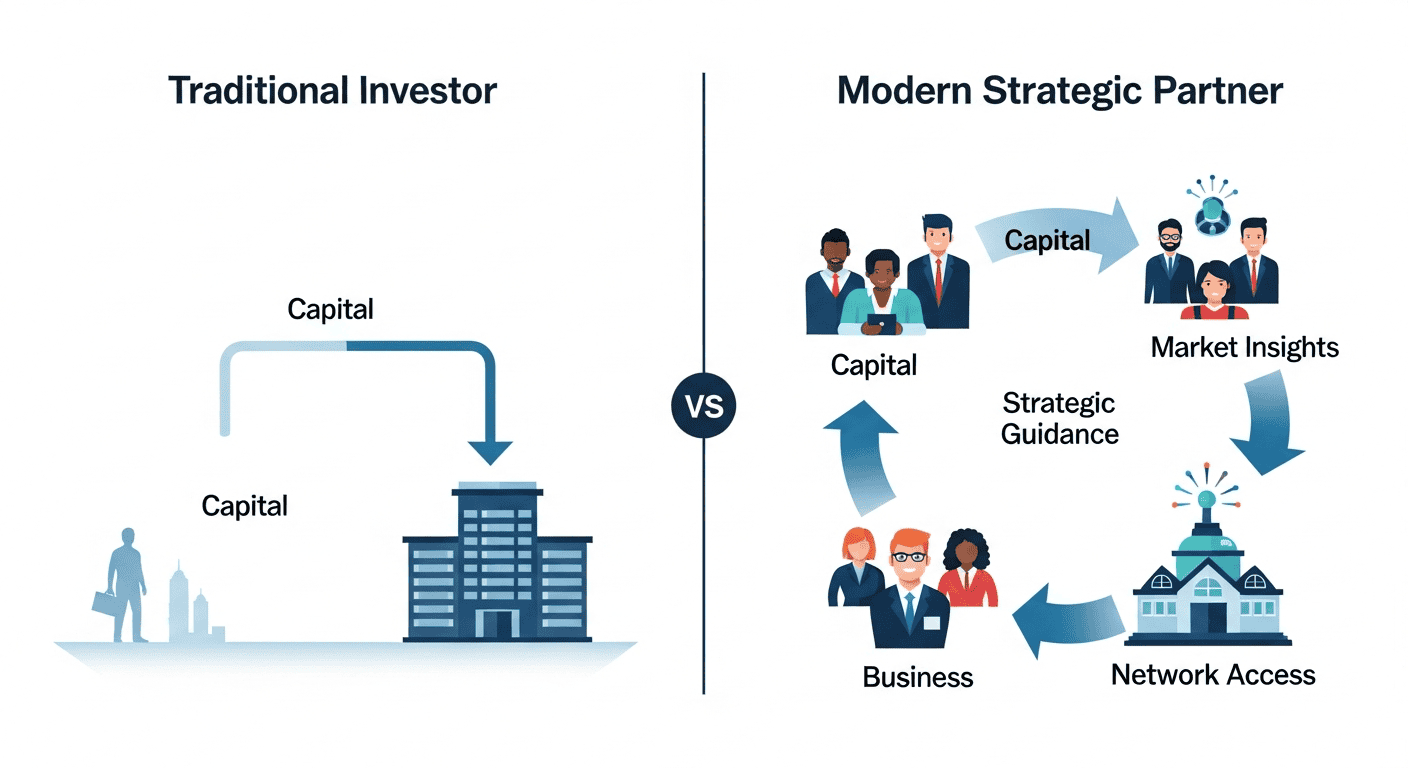
The investor relationship has evolved from a simple capital provider to a multi-faceted strategic partner.
This evolution means that the insights gleaned from investor interactions extend far beyond financial performance. Investors can offer critical perspectives on market trends, competitive positioning, technological advancements, and strategic imperatives that can significantly influence a company's trajectory. Recognizing this evolving role is the first step toward leveraging investor feedback as a genuine growth catalyst.
Why Investor Feedback is Crucial for Sustained Business Growth
The strategic value of investor feedback lies in its potential to fuel sustained growth. Investors, with their external vantage point and diverse experiences, can identify blind spots, validate strategic directions, and highlight emerging market opportunities that internal teams might overlook. Their input can refine business plans, accelerate product development, enhance marketing strategies, and even inform crucial decisions around governance and capital allocation.
A well-structured investor relations strategy, which actively incorporates this feedback, supports corporate growth by improving market perception, strengthening investor confidence, and facilitating capital raising opportunities Resurge, 2026. By listening to and acting on this valuable input, companies can become more agile, innovative, and resilient, positioning themselves for enduring success in competitive markets.
What This Guide Will Cover: A Strategic Roadmap
This guide offers a comprehensive, step-by-step approach to integrating investor feedback effectively. We will begin by laying the groundwork, focusing on cultivating a feedback-ready culture and establishing a robust Investor Relations (IR) framework.
Subsequently, we will delve into strategic feedback collection methods, exploring both formal and informal channels. The critical art of analyzing and prioritizing this feedback will be examined, along with leveraging technology to extract deeper insights. We will then detail how to integrate this actionable intelligence into core business strategy and operations, from informing the overall business plan to enhancing product development and financial planning.
Finally, we will address the crucial aspects of actionable implementation, fostering cross-functional collaboration, navigating difficult feedback, and closing the feedback loop to build enduring trust.
Laying the Foundation: Cultivating a Feedback-Ready Culture
Before feedback can be effectively collected and integrated, a startup must cultivate a culture that not only welcomes but actively seeks it. This involves fostering an environment where open dialogue is encouraged, diverse perspectives are valued, and continuous learning is prioritized. Without this foundational cultural shift, even the most sophisticated feedback mechanisms will struggle to yield meaningful results.
Establishing a Robust Investor Relations (IR) Framework
A strong Investor Relations (IR) framework is the backbone of effective investor feedback integration. This framework should define clear protocols for communication, reporting, and engagement. It ensures consistency in messaging, transparency in operations, and a structured approach to managing relationships with all stakeholders. A well-defined IR function acts as the central hub, channeling investor communications and feedback to the appropriate internal teams. This proactive approach helps build credibility and trust, making investors more willing to share their valuable insights.
Defining Your Core Vision and Strategic Focus
To effectively interpret and utilize investor feedback, a clear understanding of the company's core vision and strategic focus is paramount. When feedback is viewed through the lens of established goals, it becomes easier to discern its relevance and potential impact. A clear vision provides context, helping leadership prioritize feedback that aligns with long-term objectives and differentiate signal from noise amidst diverse opinions. This ensures that investor insights are directed towards furthering, rather than diverting from, the company's strategic path.
Investor Mapping and Segmentation for Nuanced Understanding
Not all investors are alike, and their feedback often reflects their unique perspectives, investment horizons, and areas of expertise. Effective integration requires understanding these differences. Investor mapping and segmentation involve identifying and categorizing investors based on factors such as their investment type (e.g., angel investors, venture capitalists, large institutional investors), stake size, strategic alignment, and knowledge base. Differentiating between angel investors, VCs, and institutional investors, for example, allows for tailored engagement strategies and a more nuanced interpretation of their feedback, recognizing that their concerns and expectations may vary significantly.
Building Proactive Communication Channels and Touchpoints
Establishing proactive and consistent communication channels is essential for fostering an environment where feedback can flow freely. This goes beyond periodic updates to encompass ongoing dialogue. Utilizing tools like an Investor Portal can facilitate this by providing a centralized platform for information sharing and interaction. Regular investor updates, whether through newsletters, webinars, or one-on-one meetings, create opportunities for two-way communication. A well-defined communication strategy ensures that these touchpoints are not only informative but also designed to solicit meaningful engagement and constructive feedback.
Strategic Feedback Collection: Methods and Best Practices
Collecting investor feedback requires a strategic approach, employing a mix of formal and informal methods to capture a comprehensive view. The goal is to create multiple avenues for stakeholders to share their thoughts, ensuring that valuable insights are not lost due to a lack of accessible channels.
Formal Feedback Channels for Structured Input
Formal channels provide structured opportunities for investors to offer input. Board meetings are a critical venue where investor representatives can voice concerns, ask probing questions, and discuss strategic direction. The Annual Report, while primarily a reporting document, also serves as a platform where data and narrative can be scrutinized, leading to feedback. Investor updates, designed to keep stakeholders informed, should also incorporate mechanisms for questions and feedback, perhaps through dedicated Q&A sessions or feedback forms. Utilizing an Investor Portal, like AngelList or Carta, for structured surveys or feedback forms can further formalize this input, ensuring it is captured systematically.
Informal and Continuous Feedback Loops
Beyond formal mechanisms, informal interactions offer a more candid and immediate source of investor feedback. One-on-one meetings with key investors, participation in industry conferences, and even casual conversations can yield invaluable insights. Encouraging an open-door policy and being accessible to investors for ad-hoc discussions fosters a continuous feedback loop. This allows for real-time adjustments and a deeper understanding of investor sentiment beyond scheduled reporting periods. Cultivating these informal channels ensures that feedback is an ongoing dialogue rather than an intermittent event.
The Art of Feedback Analysis and Prioritization: Moving Beyond Collection
Gathering investor feedback is only the first step. The true value lies in the ability to analyze, interpret, and prioritize this input to drive strategic action. This phase requires a critical eye and robust methodologies to transform raw data into actionable intelligence, ensuring that resources are focused on the most impactful initiatives.
From Raw Data to Actionable Insights: The Transformation Process
The transformation of raw feedback into actionable insights involves meticulous analysis. This means moving beyond simply tallying opinions to understanding the underlying rationale, context, and potential implications. It requires identifying themes, patterns, and emerging trends within the feedback. For instance, understanding that current investors were more focused on growth and profitability (30% of IROs reporting) and the macro environment (39% of IROs reporting) than liquidity (15% of IROs reporting) provides critical guidance for strategic focus IR Impact, 2024. This process converts a collection of comments into strategic directives that can inform business decisions.
Filtering Noise vs. Signal: Strategies for Discernment
In any feedback process, distinguishing valuable insights from extraneous noise is crucial. Not all feedback carries equal weight or relevance. Strategies for discernment include cross-referencing feedback from multiple investors, assessing the alignment of suggestions with the company's core vision and market position, and evaluating the feasibility of proposed changes. Experienced investors, particularly institutional investors, often bring a high signal-to-noise ratio due to their market experience. By employing a structured analysis process, companies can effectively filter out the noise and identify the critical signals that truly matter for growth.
Prioritization Frameworks for Strategic Decision-Making
Once actionable insights are identified, a robust prioritization framework is necessary to determine which initiatives to pursue. This often involves evaluating feedback based on criteria such as potential impact on growth, alignment with strategic goals, required resources (time, capital, personnel), and risk. Frameworks like impact vs. effort matrices or scoring models can help objectively rank feedback-driven opportunities. This ensures that the company focuses its efforts on those areas where investor input can yield the greatest return, driving tangible progress.
Leveraging Technology for Deeper Analysis
Technology plays an increasingly vital role in the analysis of investor feedback. Advanced analytics tools can process large volumes of qualitative and quantitative data, identifying trends, sentiment, and correlations that might be missed through manual review. Natural Language Processing (NLP) can be used to analyze textual feedback from investor communications, surveys, and social media. Investor Portals can be configured to not only store feedback but also to run basic analytics on sentiment and recurring themes. Utilizing these technological capabilities enables a more sophisticated and data-driven approach to understanding investor input.
Integrating Feedback into Core Business Strategy and Operations
The ultimate success of investor feedback integration lies in its seamless incorporation into the fabric of the business. This means translating insights into tangible adjustments across all key areas of operation, ensuring that investor perspectives actively shape the company's direction and execution.
Informing the Overall Business Plan
Investor feedback can serve as a critical input for refining and updating the overarching business plan. Insights into market dynamics, competitive landscapes, and customer needs, as articulated by investors, can lead to adjustments in strategic objectives, market positioning, and growth targets. By incorporating these perspectives, the business plan becomes more robust, reflective of external realities, and better aligned with the expectations of key financial stakeholders.
Guiding Product Development and Innovation
Investors can offer invaluable perspectives on product-market fit, feature prioritization, and emerging technological trends that could impact product roadmaps. Feedback from experienced investors can help companies innovate more effectively, ensuring that new products and services are aligned with market demands and competitive offerings. This proactive approach to product development, informed by investor insights, can significantly accelerate innovation cycles and enhance market competitiveness.
Enhancing Marketing and Sales Strategy
Investor feedback can illuminate opportunities to refine marketing messages, target new customer segments, or optimize sales processes. Investors may share insights from their broad market exposure, pointing to successful strategies employed by other companies or identifying untapped market potential. By acting on this intelligence, marketing and sales teams can develop more effective campaigns, improve customer acquisition, and drive revenue growth more efficiently.
Influencing Financial Planning and Capital Allocation
The financial implications of investor feedback are profound. Feedback can influence decisions related to capital allocation, resource management, and future fundraising efforts. Investors often provide guidance on financial projections, return on investment expectations, and the overall valuation of the company. Effectively integrating this feedback can lead to more prudent financial planning, optimize capital deployment, and strengthen the company's position in future fundraising rounds.
Impacting Governance and Operational Improvements
Beyond strategy and operations, investor feedback can also drive improvements in corporate governance and internal processes. Investors often advocate for best practices in areas such as risk management, compliance, and operational efficiency. Their input can lead to the implementation of more robust governance structures, enhanced transparency, and streamlined operational workflows. This holistic integration ensures that feedback contributes to the overall health and effectiveness of the organization.
Actionable Implementation: Turning Insights into Tangible Results
The crucial stage of implementation translates analyzed and prioritized feedback into concrete actions and observable results. This phase demands clear accountability, detailed planning, and effective collaboration across different departments to ensure that the company truly benefits from the investor input it has received.
Assigning Ownership and Accountability for Initiatives
For any feedback-driven initiative to succeed, clear ownership and accountability must be established. Each actionable insight should be assigned to a specific individual or team responsible for its execution. This ensures that tasks do not fall through the cracks and that progress is diligently tracked. Accountability fosters a sense of ownership and encourages proactive problem-solving throughout the implementation process.
Developing Detailed Action Plans and Roadmaps
Once ownership is assigned, detailed action plans and roadmaps are essential for guiding the implementation process. These plans should outline specific steps, timelines, required resources, and measurable milestones. Breaking down larger initiatives into manageable tasks ensures clarity and facilitates progress tracking. A well-defined roadmap provides a clear path forward, ensuring that the company is systematically working towards achieving the desired outcomes from investor feedback.
Fostering Cross-Functional Collaboration
Effective implementation often requires collaboration across multiple departments. Investor feedback might highlight issues or opportunities that span different functional areas, such as product development, marketing, and finance. Fostering cross-functional collaboration ensures that all relevant teams are aligned, working together towards common goals, and sharing information effectively. This collective effort maximizes the impact of implemented changes and drives holistic business improvement.
Navigating Difficult Feedback and Rejection Constructively
Not all investor feedback will be positive or directly aligned with current strategies. Learning to navigate difficult feedback and even outright rejection constructively is a critical skill. It requires maintaining an objective perspective, seeking to understand the underlying concerns, and avoiding defensiveness. Even feedback that is ultimately not acted upon can provide valuable learning opportunities. Companies that can engage constructively with challenging feedback often build stronger, more resilient investor relationships.
Closing the Loop: Communicating Actions and Building Trust
The final, yet perhaps most vital, step in the feedback integration process is closing the loop. This involves transparently communicating back to investors what actions have been taken based on their feedback and the outcomes achieved. Consistent and transparent communication is vital for building long-term trust with companies (Why Investor Relations Is Crucial for Effective Corporate Communication?, 2026).
Sharing progress, acknowledging contributions, and demonstrating responsiveness reinforces the value of their input and encourages continued engagement. This closed-loop communication builds a virtuous cycle, where informed investors are more likely to provide valuable feedback, knowing it will be heard and considered.
This process also benefits the wider stakeholder ecosystem; while ignoring customers leads to 14% of startup failures (Founders Forum Group, 2025), it's a strong analogy for the critical importance of heeding feedback from key stakeholders like investors to avoid business decline.
Furthermore, just as 80% of consumers are more likely to do business with companies that listen and act on their feedback (ITONICS, 2025), investors will feel more engaged and supportive when they see their insights translate into tangible business growth.
Summary: Integrating Investor Feedback for Startup Growth
Integrating investor feedback is not merely an Investor Relations best practice; it is a strategic imperative for achieving sustained business growth. By viewing investors as true strategic partners and establishing robust systems for collecting, analyzing, and acting upon their insights, companies can unlock a powerful engine for innovation, market adaptation, and competitive advantage.
This guide has outlined a comprehensive framework, from cultivating a feedback-ready culture and refining communication strategies to leveraging technology for deeper analysis and ensuring actionable implementation. The journey requires a commitment to transparency, a willingness to engage constructively with all forms of feedback, and a dedication to closing the loop with stakeholders.
By embracing this strategic approach, businesses can transform investor engagement from a compliance necessity into a powerful catalyst for enduring growth and success. The key lies in consistently listening, thoughtfully analyzing, and decisively acting upon the invaluable perspectives that investors bring to the table, thereby strengthening relationships and driving the business forward.
Frequently Asked Questions (FAQ)
Why has the role of Investor Relations evolved beyond just capital raising?
In today's dynamic business environment, the role of Investor Relations has shifted from managing passive financiers to fostering a collaborative paradigm with strategic partners. While capital raising remains a core function, investors now offer critical perspectives on market trends, technological advancements, and a company's unique selling proposition. High-quality investor engagement transforms feedback into a "power engine" for growth, helping startups navigate market conditions and achieve superior investment outcomes.
How can a startup effectively collect feedback from different types of investors?
Startups should use a mix of formal and informal investor feedback strategies. Formal methods include board meetings, the Annual Report, and structured digital surveys via an Investor Portal. Informal methods include one-on-one meetings and investor conferences. It is also helpful to perform investor targeting and segmentation to distinguish between venture capital, angel investors, and retail investors, as their expectations for share price performance and market capitalization may vary significantly.
What digital tools are recommended for managing these relationships and analyzing data?
Modern Investor Relationship Management relies heavily on Investor Relations technology. Companies use digital tools such as AI powered tools and Natural Language Processing (NLP) to conduct deep data analytics on investor communications. These systems can assist with automation for automated reporting, tracking perception scores, and managing shareholder communication. Furthermore, an Investor Portal provides a centralized platform that addresses cybersecurity concerns while streamlining the disclosure of financial data.
How does investor feedback impact a company's strategic financial planning and valuation?
Investors provide guidance on return expectations and valuation metrics that directly influence funding rounds. By incorporating their insights into a SWOT analysis, leadership can better align their long-term goals with market realities. This alignment is especially crucial during earnings season or when navigating market volatility, as it helps maintain investor confidence and supports a healthy market share.
What is the best way to handle difficult feedback or a potential crisis?
Maintaining an objective perspective is key to navigating difficult feedback constructively. Robust Investor Relations frameworks should include protocols for crisis communication and public relations to ensure transparency during a merger or a pivot. Utilizing perception audits and monitoring the net promoter score can help identify issues early. Closing the feedback loop through webcasts or roadshows demonstrates responsiveness, which is vital for building the trust needed to survive a challenging business environment.
Can investor insights help with product development and operations?
Absolutely. Investors often identify a market need that internal teams might overlook. Their feedback can guide the development of an MVP/prototype, improve customer satisfaction, and even optimize sales conversion rates. To maximize this, companies should use feedback analysis to filter "signal from noise", ensuring that investor engagement remains focused on high-impact strategic imperatives and overall stakeholder goals.
How does a company ensure it stays compliant while being so transparent?
A robust Investor Relations framework ensures that all shareholder monitoring and communications meet regulatory compliance and specific reporting requirements. By maintaining a strong digital presence and clear communication channels, a company can facilitate healthy investor engagement while ensuring that all disclosure is handled professionally and legally.