Angel Networks: The Complete Guide for Canadian Startups & Investors
Key Takeaways
For Startups:
Angel networks provide more than capital—they offer strategic mentorship, industry connections, and business guidance from experienced investors
Become investment-ready before seeking funding by establishing your corporate structure, business plan, financial projections, and securing intellectual property
Never pay to pitch to an angel network—legitimate networks don't charge founders application fees
The typical funding process includes application screening, pitch presentation, due diligence, term sheet negotiation, and closing
Post-investment, treat your angel investors as true partners and leverage their expertise across all business facets
For Investors:
Most angel networks require accredited investor status based on provincial income or net worth thresholds
Diversification is critical. In our experience, build a portfolio of 30-50 companies to mitigate the 50% failure rate of early-stage startups
Angel investing requires active participation: conducting thorough due diligence, providing strategic support, and making key introductions where possible
Your role is to support and guide, not micromanage—the founding team should run the company
Reserve follow-on capital for your most promising portfolio companies in subsequent funding rounds
Join a network (like Allied VC) to access curated deal flow, share due diligence workload, and learn from experienced peers
Unlocking Early-Stage Capital & Growth
For early-stage companies, the journey from a groundbreaking idea to a market-leading enterprise is fraught with challenges, the most significant of which is often securing initial capital. Similarly, individuals with capital and expertise seek meaningful opportunities to invest in the next wave of innovation. Angel networks serve as the critical bridge in this equation, creating a structured ecosystem where promising entrepreneurs and savvy investors can connect, collaborate, and build the future.
This guide provides a comprehensive roadmap for both startups seeking funding and investors looking to make a strategic impact, with a specific focus on navigating the vibrant landscape in Canada. We will demystify the process, from crafting the perfect pitch to conducting thorough due diligence, and explore the immense value these networks provide beyond the cheque.
What are Angel Networks? Defining the Ecosystem
Angel networks are organized groups of "angel investors"—typically high-net-worth individuals—who pool their capital and expertise to invest in early-stage startups. Unlike individual angels who may invest sporadically, these networks formalize the process. They create a system for sourcing, screening, and evaluating potential investments, allowing members to access a curated pipeline of opportunities known as "deal flow."
By collaborating, investors can syndicate larger investment rounds, share the workload of due diligence, and collectively offer a broader range of support to the companies they fund. This structure provides a powerful launchpad for entrepreneurs and a more efficient investment vehicle for angels.
Why Angel Networks Matter for Startups and Investors
For a startup, an angel network is more than just a source of funding. It's an entry point into a world of invaluable resources. The collective experience of the network’s members provides strategic guidance, mentorship, and access to a vast web of industry contacts.
For investors, these networks mitigate risk. They provide a community for shared learning, a structured process for vetting companies, and the ability to diversify their portfolio across multiple promising ventures. The collaborative nature of the ecosystem helps both sides make more informed decisions, increasing the likelihood of success and fostering regional economic growth.
Who This Guide Is For
This guide is designed for two primary audiences. First, for the ambitious entrepreneurs and founders of early-stage startups who are ready to seek seed or pre-seed funding to scale their vision. Second, it is for current or aspiring angel investors who want to understand how to effectively deploy their capital, expertise, and time to support innovation while pursuing significant financial returns. Whether you are building a company or looking to invest in one, this guide will provide the clarity and direction needed to navigate the world of angel networks.

For Startups: Navigating the Path to Angel Funding
Securing angel investment is a transformative milestone for any startup. It’s a validation of your vision and the fuel for your growth. However, the path to funding is a structured process that requires preparation, strategy, and a deep understanding of what investors are looking for.
Understanding Angel Investment: Beyond the Cheque
Angel investments are not simply financial transactions; they are partnerships. An angel investor typically provides capital in exchange for equity ownership or convertible debt. Unlike venture capitalists who manage institutional funds, angels invest their own personal capital. This personal stake often translates into a hands-on approach. They are motivated not just by potential financial returns but also by the desire to help entrepreneurs succeed. This means founders gain a mentor, a strategic advisor, and a champion for their brand. The right angel brings industry expertise, opens doors to potential customers and partners, and offers guidance through the inevitable challenges of building a business.
Becoming "Investment-Ready": Laying the Foundation for Success
Before you even think about pitching, you must ensure your startup is "investment-ready." This involves more than just a good idea. Investors need to see a solid foundation.
Corporate Structure: Have you legally incorporated your business? A clear legal structure is non-negotiable.
Business Plan: Develop a comprehensive business plan that details your mission, market analysis, product/service, go-to-market strategy, and management team.
Financial Projections: Create realistic, data-backed financial projections for the next two to three years. This should include cash flow, income, and balance sheet models.
Intellectual Property (IP): Start securing your IP. Research shows that startups with patent-pending technology or protected IP secured approximately 20% more funding than their peers in 2025, demonstrating its value to investors.
Minimum Viable Product (MVP) & Traction: Ideally, you have an MVP and some early market traction, whether it's users, revenue, or letters of intent. This demonstrates market validation.
Crafting a Compelling Pitch to Attract Angels
Your pitch is your first impression. It must be clear, concise, and compelling. The goal is to articulate the problem you solve, the size of the opportunity, and why your team is the right one to capture it. A standard pitch deck should cover these key areas:
The Problem: Clearly define the pain point you are addressing.
The Solution: Explain how your product or service solves this problem in a unique and effective way.
Market Size: Quantify the total addressable market (TAM) to show the scale of the opportunity.
Business Model: How will you make money?
Traction: Showcase what you’ve accomplished so far (users, revenue, key partnerships).
The Team: Highlight the experience and passion of your founding team. Investors invest in people first.
Competitive Landscape: Acknowledge your competitors and explain your unique advantage.
The "Ask": State clearly how much funding you are seeking and how you plan to use the capital. If you need help determining how much money to ask for, see our guide on Calculating Pre-Seed Funding Needs.
Pro tip: For more info on crafting a compelling pitch, see our guide How to Deliver an Effective 3-Minute Investor Video Pitch.
The "Deal Flow" Process: From Application to Term Sheet
Once you’re ready, the process of engaging with an angel network typically follows a set of predictable stages:
Application/Screening: You’ll submit your pitch deck and business plan through the network’s online portal. A screening committee reviews applications to ensure they meet the network's investment criteria. Note: You should never have to pay to pitch to an angel network—this is a major red flag for founders. If you are asked to pay a fee, politely decline and move on.
Presentation/Pitch Event: If selected, you may be invited to pitch to the network's members. This is your chance to sell your vision and answer tough questions.
Due Diligence: If investors are interested after your pitch, a lead investor or a small group will initiate the due diligence process. This is an intensive investigation into your business, financials, team, and market claims. Be prepared to provide extensive documentation and answer any questions. For additional help, see our guide on Mastering Investor Q&A.
Term Sheet: If due diligence is successful, you will receive a term sheet. This non-binding document outlines the proposed terms of the investment, including valuation, investment amount, and investor rights.
Closing: After negotiating and agreeing on the term sheet, lawyers will draft the final investment agreements. Once signed and the funds are transferred, the deal is closed.
Post-Investment: Building a Partnership for Growth
Securing the investment is not the end of the journey; it's the beginning of a new phase. Your investors are now part of your team. Building a strong, transparent relationship with them is crucial. This involves regular communication, formal board meetings, and being open about both successes and challenges.
The support from your angel network can be your greatest asset. They are a "family" of advisors who are literally invested in your success. Through our experience investing in dozens of startups at Allied VC, we have seen members of our angel network consistently step up to support companies across every facet of business—including customer introductions, sales, hiring, product development, and securing downstream funding. Leverage their expertise, tap into their networks, and treat them as true partners on your path to building a great company.
For Investors: Becoming a Strategic Angel
Angel investing offers a unique opportunity to engage directly with innovation, mentor the next generation of entrepreneurs, and potentially achieve outsized financial returns. It is a high-risk, high-reward endeavor that requires diligence, strategy, and active participation.
Who is an Angel Investor? Defining the Role
An angel investor is a high-net-worth individual who provides capital for business startups, usually in exchange for convertible debt or ownership equity. In Canada, to participate in most angel networks, one must qualify as an accredited investor. The criteria for this status can vary by province, but generally include individuals who meet specific income or net worth thresholds. Beyond the financial capacity, a great angel investor brings "smart capital"—a combination of industry expertise, a valuable network of contacts, and a willingness to provide mentorship and strategic support to the entrepreneurs they back.
Most importantly, a great angel investor will not micromanage the founding team or run the company themselves. Although it's tempting to step in and protect your investment, your job as an angel investor is to support and guide the team when asked, not to operate the company yourself.
Joining an Angel Network: Accessing Curated "Deal Flow"
While some angels invest independently, many choose to join an angel network. This provides several distinct advantages. The primary benefit is access to a steady stream of pre-screened investment opportunities. Networks perform the initial vetting, saving individual members significant time and effort. Furthermore, networks provide a framework for collaborative due diligence, allowing investors to share insights and make more informed decisions. The community aspect is also critical; it offers a platform for education, networking with peers, and learning from the collective wisdom of experienced investors. A formal membership in a network streamlines the entire investment process.
Building an Effective Angel "Investment" Strategy
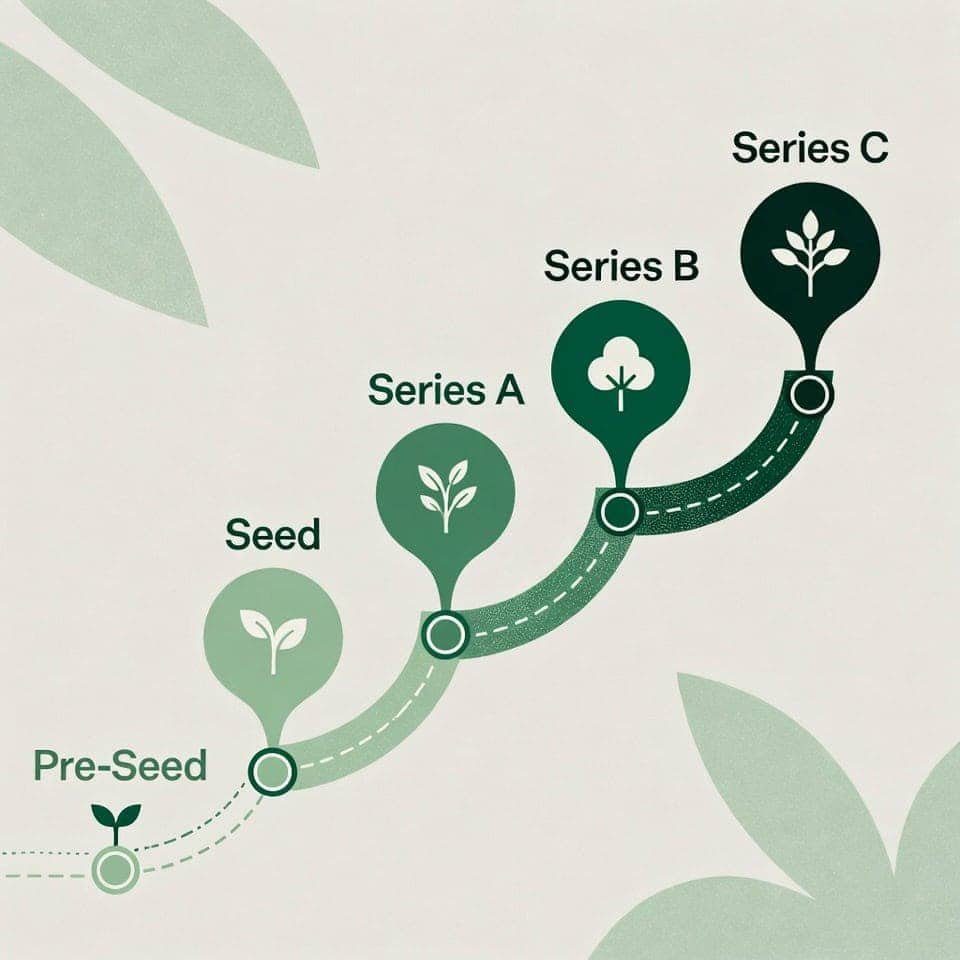
A successful angel investor operates with a clear strategy. This begins with defining your investment thesis: which industries do you understand best? What stage of company (pre-seed, seed) do you want to focus on? What is your typical cheque size?
Diversification is the cornerstone of any sound angel strategy. Given the high failure rate of early-stage companies—data suggests approximately 50% of angel-funded companies fail completely—it's essential to build a portfolio of at least 30-50 companies. This spreads the risk and increases the chances that one or two successful exits will generate returns that cover the losses from the others. Part of your strategy should also involve reserving follow-on capital for your most promising portfolio companies in their subsequent funding rounds.
The "Due Diligence" Process for Angels
Due diligence is the most critical phase of the investment process. It’s a thorough investigation designed to validate the startup’s claims and assess the risks and potential of the investment. A comprehensive due diligence process for an angel investor should cover:
The Team: Assess the founders' experience, commitment, coachability, and ability to execute.
Market Opportunity: Validate the size of the market and the severity of the problem the startup is solving.
Product/Technology: Evaluate the product's viability, competitive differentiation, and any underlying intellectual property.
Business Model & Financials: Scrutinize the revenue model, customer acquisition strategy, and the realism of financial projections.
Legal & Corporate Structure: Review incorporation documents, capitalization tables, and any existing contracts or legal issues.
Conducting this level of research within a network allows investors to divide the workload and leverage diverse expertise.
Pro tip: See our guide on 10 Questions to Ask Founders Before Investing.
Post-Investment: Nurturing Your "Portfolio"
Your role as an investor doesn't end when the cheque is cashed. Active involvement can significantly influence a startup's trajectory. This doesn't mean micromanaging, but rather providing strategic support where it's most needed. This can take many forms:
Making key introductions to potential customers or partners
Helping recruit top talent
Advising on business strategy
Taking a board (or board observer) seat.
Regularly monitoring your portfolio companies' progress through their reports and updates is essential. Providing this ongoingsupport not only helps the startup succeed but also protects and enhances the value of your investments.
The Angel Ecosystem: Mapping the Landscape
Angel networks do not operate in a vacuum. They are a vital component of a broader innovation ecosystem that includes startups, accelerators, universities, and government bodies, all working together to foster economic growth and technological advancement.
Types of Angel Networks and Their Structures
Angel networks come in various forms, each with a different focus and operational model. Some are generalists, like Allied VC, investing across a wide range of industries. Others are sector-specific, Halo Health or Startup TNT, which concentrate their investments in areas like health tech, fintech, or clean technology. The rise of AI-focused angel networks has also been significant; in the first half of 2025, 41.5% of AngelList deals went to AI/ML startups.
Angel networks can also be geographically focused, like Angel Investors Ontario or Maple Leaf Angels in Toronto, dedicated to nurturing innovation within a specific city or region. Structurally, some operate as non-profits facilitating connections, like Creative Destruction Lab, while others manage committed capital funds where members' money is pooled and deployed by a fund manager, like The Firehood angel network.
Prominent Angel Networks in Canada
Canada boasts a robust and growing angel ecosystem. Nationally, organizations such as the National Angel Capital Organization (NACO) have been established to support and develop the angel investing community, although they operate under a somewhat restrictive pay-to-play model.
Across the country, numerous larger and more impactful networks are active. In Ontario, a major hub for Canadian innovation, groups like Angel Investors Ontario (AIO) support a network of regional angel groups. Prominent networks such as the Golden Triangle Angel Network (GTAN) in the Kitchener-Waterloo region, Middle Cove Capital in Toronto, Capital Angel Network (CAN) in Ottawa, and the Northern Ontario Angels are critical drivers of local economies. These groups provide essential capital and mentorship that help entrepreneurs in their respective regions thrive.
Angel Networks vs. Alternative Funding Sources
For a startup, angel funding is one of several early-stage options. It's important to understand the distinctions:
Bootstrapping: Self-funding the business. It allows founders to retain full ownership but can severely limit growth speed. See our guide Bootstrapping vs. Funding to learn more.
Friends & Family: The earliest source of capital for many. These investments are relationship-based but can strain personal connections if the business struggles.
Venture Capital (VC): VCs invest institutional money (from pension funds, endowments, etc.) and typically write much larger cheques for more mature companies (Series A and beyond). They demand faster growth and have more rigorous reporting requirements. To learn more, read our complete guide on VC Funding.
Government Grants: Non-dilutive funding from government programs can be a fantastic source of capital, but the application process can be long and is often tied to specific mandates like R&D or job creation.
Angel networks fill the critical gap between friends-and-family funding and institutional venture capital, providing the first professional capital a startup often receives.
Beyond Capital: The Intangible Value of Angel Networks
The cheque is just the price of admission. The true, lasting value of an angel network lies in the wealth of non-financial assets it provides to a startup, which can often be more critical to long-term success than the capital itself.
Strategic Support and Mentorship from Experienced Investors
Entrepreneurs are often first-time founders navigating uncharted territory. The members of an angel network are typically seasoned business leaders, successful entrepreneurs, and industry experts who have faced similar challenges. This collective experience is an invaluable resource. They provide strategicsupport on everything from product development and pricing strategies to scaling operations and preparing for future funding rounds. This mentorship helps founders avoid common pitfalls, make smarter decisions, and accelerate their learning curve, significantly increasing their chances of success.
Community, Collaboration, and Shared Resources
Joining an angel network means becoming part of a powerful community. For founders, this community extends beyond just their investors. The network’s portfolio companies often form a supportive cohort, sharing insights, best practices, and even collaborating on business opportunities. For investors, the network is a community of peers for sharing deal flow, co-investing, and continuous learning. These networks also provide access to shared resources, such as preferred rates with legal or accounting firms, introductions to key industry players, and powerful software tools to help manage and grow the business.
Emerging Trends and The Future of Angel Investing
The world of angel investing is continuously evolving, shaped by technological advancements, shifting market dynamics, and a growing awareness of social and environmental responsibilities. Staying ahead of these trends is crucial for both investors and entrepreneurs.
Technology's Role in Modern Angel Investing
Technology is revolutionizing how angel networks operate. Online platforms and specialized software are making the investment process more efficient and accessible. Deal flow management platforms streamline the application and screening process, while virtual pitch events allow entrepreneurs from anywhere in Canada to connect with investors. AI-powered data analytics tools are also becoming more prevalent, helping investors conduct more thorough research and due diligence. This digitalization is breaking down geographical barriers and democratizing access to capital for a wider range of startups.
Focus on Disruptive Technologies and Transformational Innovation
Angel investors are increasingly drawn to startups developing disruptive technologies with the potential for transformational innovation. Fields like artificial intelligence, machine learning, biotechnology, and clean energy are attracting significant attention. For instance, the capital invested in generative AI in 2025 has already surpassed the total for all of 2024, indicating a massive investor appetite for groundbreaking tech. Investors are looking for companies that aren't just improving existing markets but creating entirely new ones.
The Growing "Impact Investing" Movement
There is a growing movement within the angel community towards impact investing, where financial returns are considered alongside social and environmental outcomes. Investors are increasingly seeking to fund companies that are not only profitable but also contribute to solving pressing global challenges. This could include startups focused on renewable energy, sustainable agriculture, accessible healthcare, or educational technology for children's programs. This trend is also reflected in the investor base itself, with a notable increase in diversity. Data shows the number of women angel investors has risen significantly, from 33.6% in 2021 to 46.7% in 2023, bringing new perspectives and priorities to the ecosystem.
Summary: Empowering the Next Wave of Innovation
Angel networks are the bedrock of the early-stage innovation ecosystem. They are powerful engines of economic growth, providing the essential fuel and guidance that startups need to transform bold ideas into reality. By connecting visionary entrepreneurs with experienced investors, these networks create a symbiotic relationship where capital, mentorship, and opportunity converge. They foster a collaborative community built on shared risk and mutual ambition, creating a supportive "family" that nurtures companies from infancy to maturity.
Key Takeaways for "Startups" and "Investors"
For entrepreneurs, the key is preparation. Become investment-ready before you seek funding, craft a narrative that clearly articulates your vision and value, and view the process not as a transaction but as the start of a long-term partnership. Leverage the immense support and resources your investors offer.
For investors, the path to success lies in strategy and diligence. Build a diversified portfolio, commit to a thorough due diligence process, and actively engage with the companies you fund. Embrace the community of your angel network to share knowledge, mitigate risk, and amplify your impact.
By working together, startups and investors within the angel network framework will continue to be the primary force driving innovation forward.
Frequently Asked Questions (FAQ)
For Startups
How do I know if my startup is ready to apply to an angel network?
Investment-ready companies have a clear corporate structure, a comprehensive business plan, realistic financial projections, and ideally some market traction through an MVP. You should also have your intellectual property strategy in place. Before submitting investment applications, ensure all your foundational documents are prepared and your pitch clearly articulates the problem you solve and your unique solution.
What is the typical process for getting in front of angel investors?
The dealflow process typically starts with submitting your materials through the network's digital dealroom or online portal. If selected after screening, you'll be invited to participate in startup pitches to the network's members. Remember, you should never have to pay to pitch to a legitimate angel network—this is a major red flag.
How can I find angel networks in my region?
Canada has numerous regional networks across the country. In Ontario alone, you'll find groups like the Windsor Essex Capital Angel Network, Southeastern Ontario Angel Network, Golden Triangle Angel Network, and many others supported by Angel Investors Ontario. Your local regional innovation centre can also connect you with angel networks and provide additional support through the Ontario Network of Entrepreneurs.
What's the difference between angel networks and other funding sources like equity crowdfunding?
Angel networks provide curated access to experienced investors who offer both capital and mentorship, while equity crowdfunding (also known as regulation crowdfunding) allows you to raise smaller amounts from a larger number of retail investors through online platforms. Angel investors typically provide larger individual investments and hands-on support, whereas crowdfunding is more transactional. Other alternatives include venture builders, which help build companies from scratch, and family offices, which manage wealth for high-net-worth families and may invest larger amounts at later stages.
What kind of support can I expect beyond the investment itself?
Angel networks provide invaluable business mentoring, strategic guidance, and access to extensive industry contacts. Members often help with customer introductions, hiring, product development, and securing downstream funding. You're not just getting capital—you're gaining a family of advisors who are invested in your success.
For Investors
What are the requirements for joining an angel network?
Most angel networks require membership restricted to accredited investors, which typically means meeting specific income or net worth thresholds that vary by province. Beyond financial capacity, networks look for individuals who can contribute "smart capital"—industry expertise, valuable contacts, and willingness to mentor entrepreneurs. Some networks operate with formal membership structures, while others (like Allied VC) are more flexible in their approach.
How much time should I expect to commit as an angel investor?
Time commitments vary by network and your level of involvement. At minimum, you'll need time to review dealflow, attend pitch events, and conduct due diligence on potential investments. Many networks rely on volunteers to serve on screening committees or lead due diligence efforts. After investing, active portfolio management—including providing strategic advice and making introductions—is essential but can be structured around your availability.
How do angel networks manage investment activity and deal flow?
Modern angel networks use digital dealrooms (like AngelList) and specialized platforms to streamline investment activity. These tools help manage investment applications, organize startup pitches, facilitate collaborative due diligence, and track portfolio performance. This technology makes the process more efficient and accessible, allowing members to review opportunities and participate in investments from anywhere.
What's the typical portfolio strategy for angel investors?
Given that approximately 50% of angel-funded companies fail completely, diversification is critical. Successful angel investors typically build portfolios of 30-50 companies to spread risk. You should also reserve follow-on capital for your most promising portfolio companies in subsequent funding rounds. Working within a network allows you to syndicate investments and build this diversified portfolio more efficiently.
How involved should I be with my portfolio companies?
Your role is to support and guide, not to micromanage or run the company yourself. Provide strategic support through key introductions, hiring assistance, and business mentoring when asked. Regular monitoring through updates and reports is essential, but remember that the founding team should remain in control of day-to-day operations.
General Questions
How does the angel ecosystem fit into the broader innovation landscape?
Angel networks are a vital component of a broader ecosystem that includes startups, accelerators, universities, regional innovation centres, government bodies, and other funding sources. They fill the critical gap between friends-and-family funding and institutional venture capital, providing the first professional capital many startups receive while fostering regional economic growth.
What trends are shaping the future of angel investing?
Technology is revolutionizing the space through digital dealrooms, virtual pitch events, and AI-powered analytics tools. There's increasing investment activity in disruptive technologies like AI and machine learning—41.5% of AngelList deals in early 2025 went to AI/ML startups. Impact investing is also growing, with investors seeking both financial returns and positive social or environmental outcomes. The investor base itself is becoming more diverse, with women angel investors increasing from 33.6% in 2021 to 46.7% in 2023.
Popular Guides